
INSIGHTS
Cancer information
Articles from the clinic for general understanding. They are educational material, not personal advice.

Treatment
Antibody-Drug Conjugates (ADCs) Moving Earlier in Treatment — Practical Implications
Antibody-Drug Conjugates (ADCs) are specialised cancer therapies designed to deliver anti-cancer drugs directly to tumor cells. They combine a targeted antibody with a powerful chemotherapy payload, allowing treatment to focus more specifically on cancer cells while aiming to red
Updated 7 Jul 2026
Cancer care
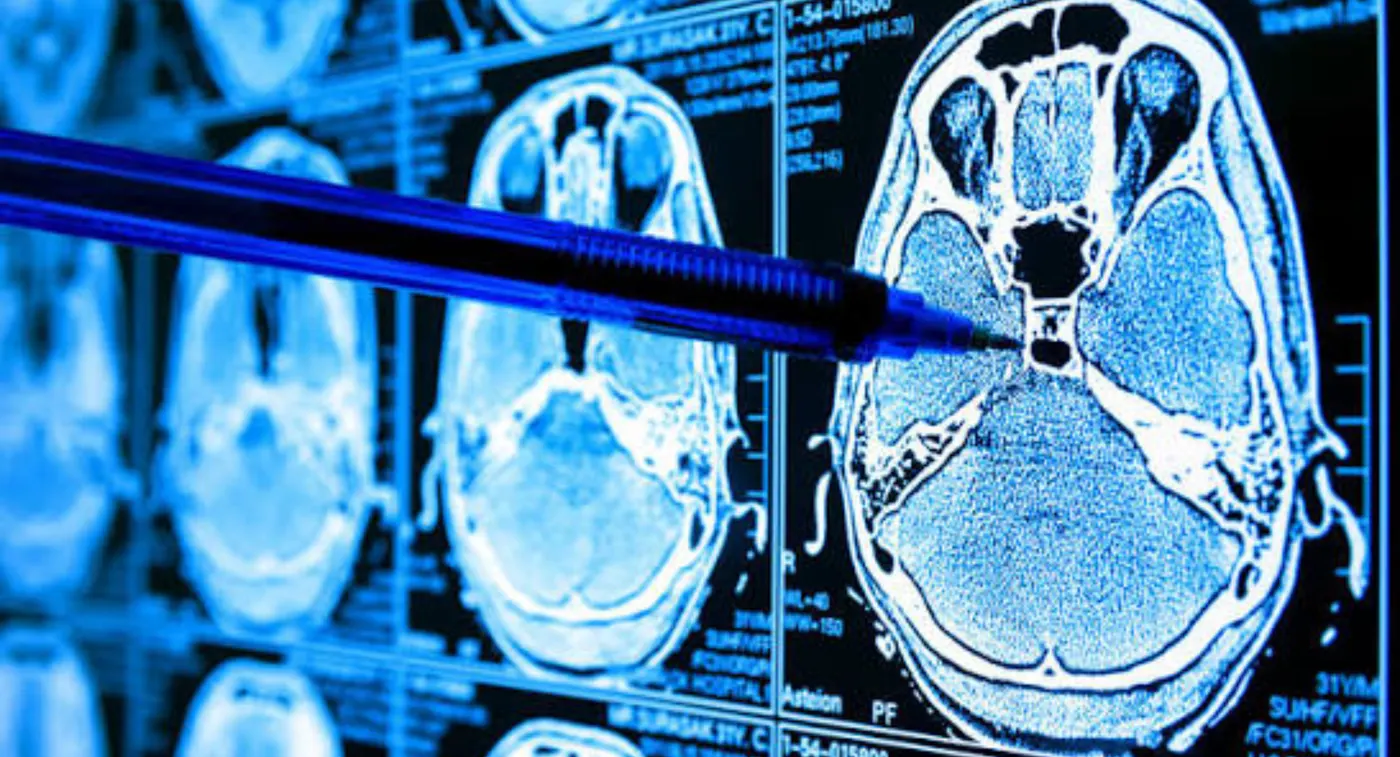
How AI is Used in Cancer Imaging: Benefits, Limits, and Safety
AI in cancer imaging refers to the use of computer algorithms and machine learning systems to analyse medical images such as CT scans, MRI scans, PET scans, mammograms, and pathology images. These systems are trained to identify patterns that may indicate cancer or treatment-rela
Updated 7 Jul 2026
Treatment
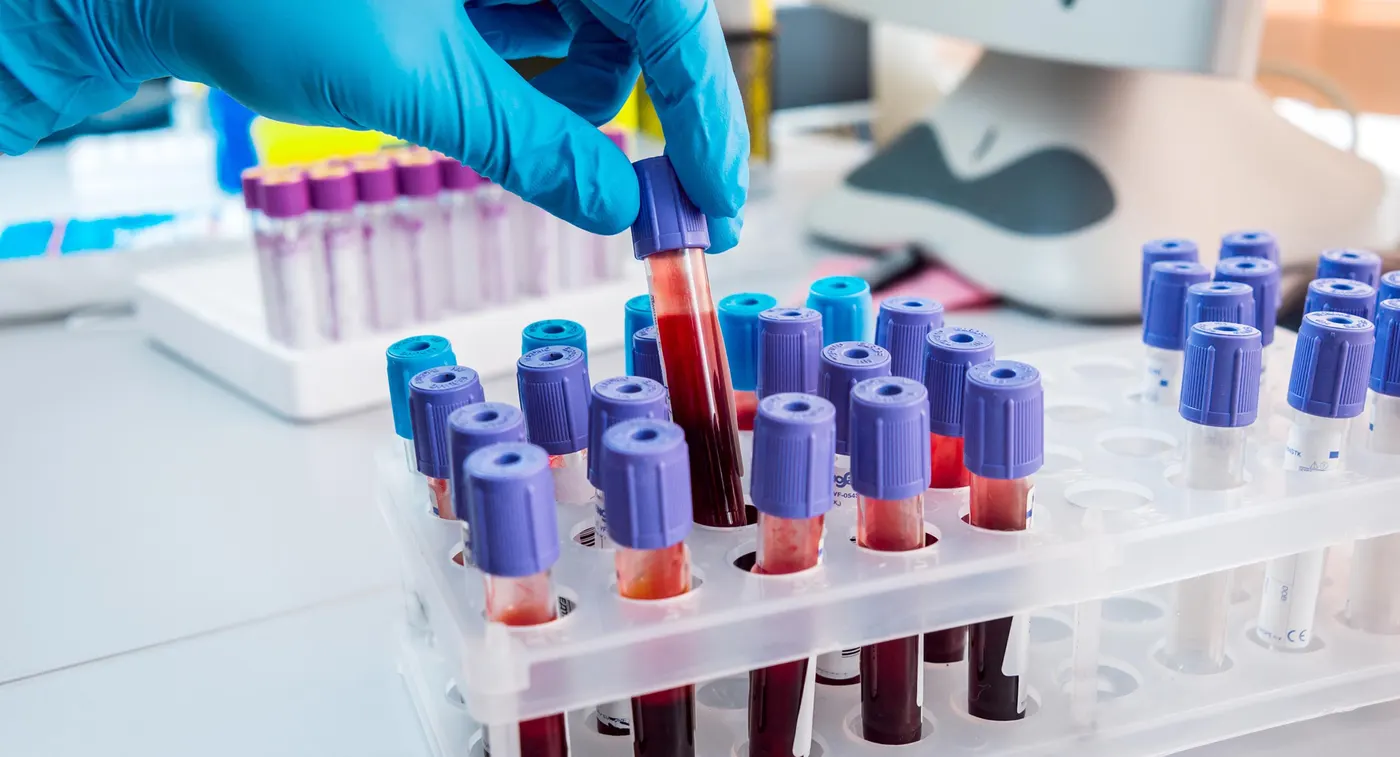
Biomarker Testing 2026: Which Tests to Get for Lung, Breast, Colorectal, and Prostate Cancers
Biomarker testing looks for genes, proteins, mutations, or other cancer-related signals that may influence treatment decisions. These tests may be done on tumor tissue, blood samples, or sometimes both, depending on the cancer type and stage.
Updated 7 Jul 2026

Screening
How to Perform a Breast Self-Exam and What Findings Need Medical Review (Patient Guide + Referral Advice)
Breast self-examination (BSE) is a simple method where individuals regularly check their breasts for changes in shape, size, texture, or the presence of lumps. The goal is not to diagnose cancer but to become familiar with normal breast structure so that new changes can be detect
Updated 7 Jul 2026

Screening
Screening Guidelines Explained: Age, Frequency, and Who Should Get Mammograms, Pap Smears, Colonoscopy, PSA, and Low-Dose CT Scans
Screening tests are designed for people without symptoms who may still be at risk for specific cancers. The goal is to identify abnormalities early enough for timely medical evaluation and management. Screening recommendations may change over time as scientific evidence evolves.
Updated 7 Jul 2026
Living with cancer
Caregiver Support Toolkit: Signs of Burnout and Evidence-Based Coping Strategies
Caregiver burnout is a state of physical, emotional, and mental exhaustion caused by prolonged caregiving stress. It may develop gradually when caregivers experience constant responsibility, lack of rest, emotional strain, financial pressure, or limited social support during canc
Updated 7 Jul 2026
Screening
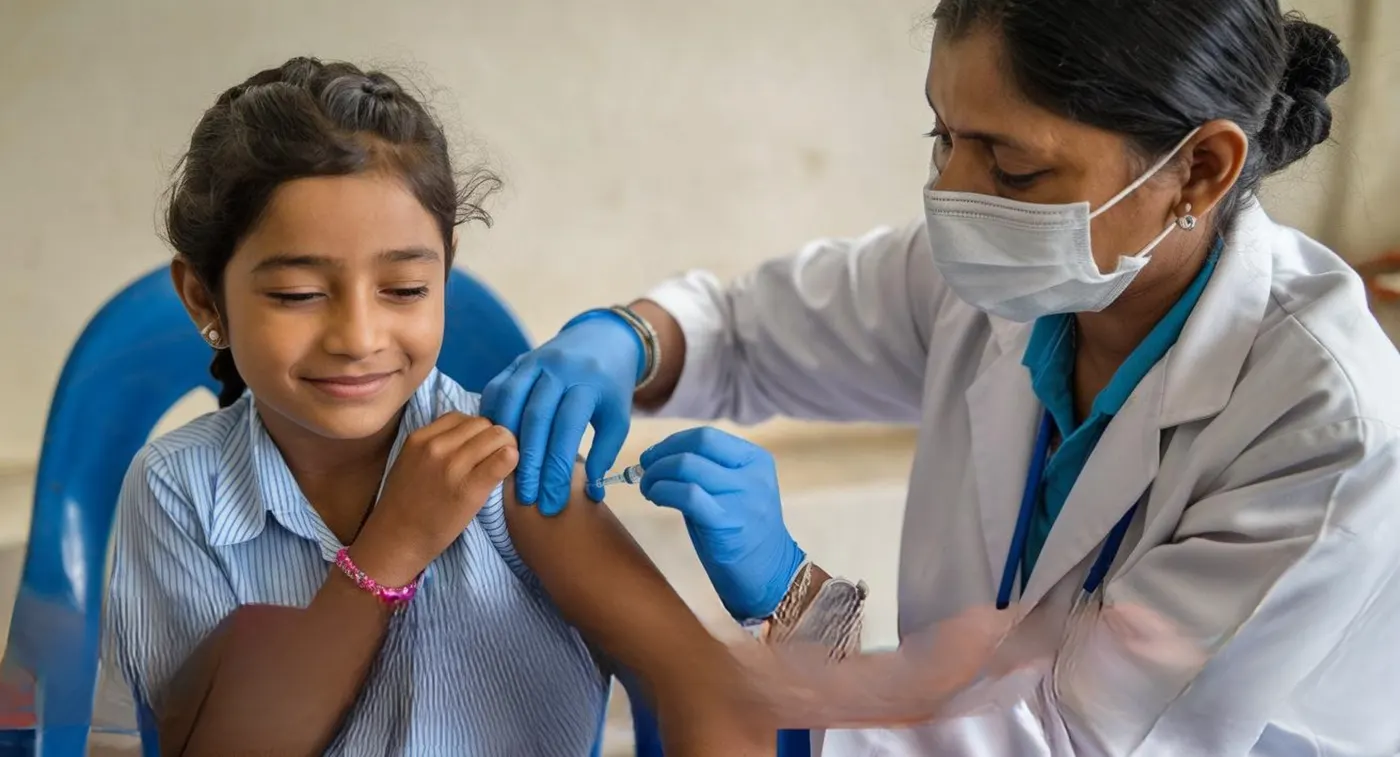
Cervical Cancer Prevention: Pap Test, HPV Testing, and Follow-Up — Patient & Clinician Checklist
Cervical cancer screening aims to detect early cellular changes caused mainly by persistent infection with high-risk Human Papillomavirus (HPV). Early detection allows treatment before cancer develops, significantly improving outcomes.
Updated 7 Jul 2026

Cancer care
Childhood Cancer Awareness: Signs Parents Should Know and Available Support Resources
Childhood cancer refers to cancers that occur in children and adolescents, commonly including leukemia, brain tumors, lymphomas, neuroblastoma, Wilms tumor, and bone cancers. These cancers behave differently from adult cancers and often require specialized treatment approaches.
Updated 7 Jul 2026
Cancer care
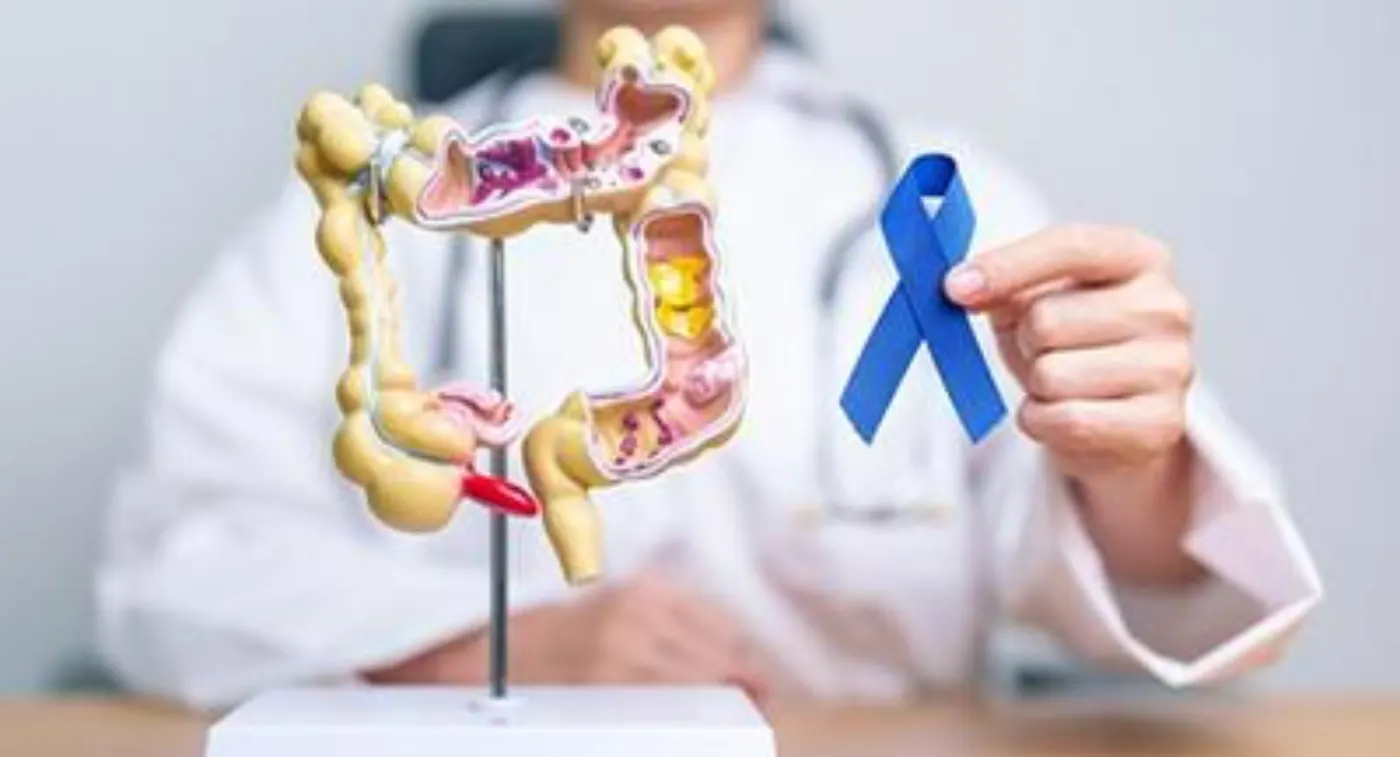
Colorectal Cancer Awareness: Symptoms, Screening Options, and How to Reduce Risk (Family-History Emphasis)
Colorectal cancer refers to cancer that begins in the colon or rectum. It often develops from small growths called polyps, which may slowly turn cancerous over time if not detected and removed early.
Updated 7 Jul 2026
Cancer care
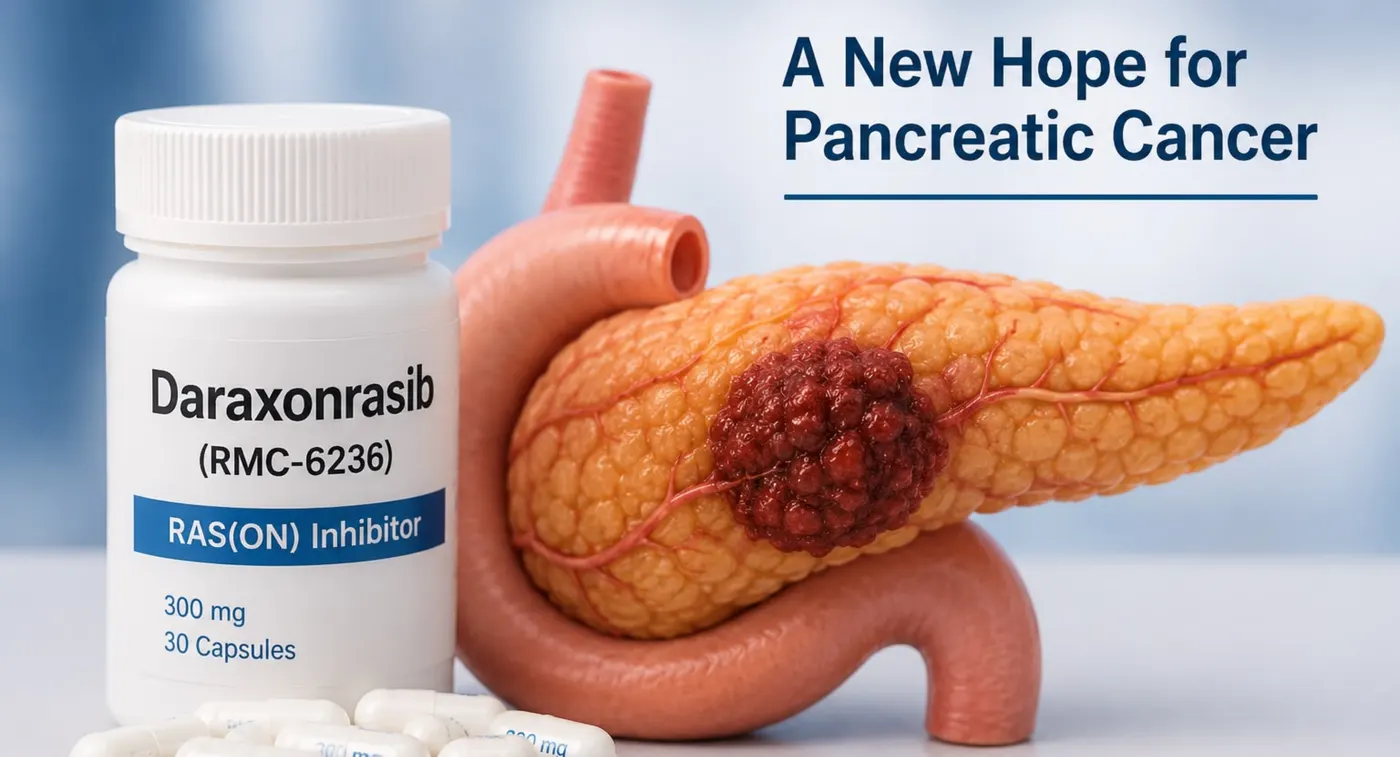
Daraxonrasib for Pancreatic Cancer: A Breakthrough That Is Changing Survival Outcomes
Pancreatic cancer is currently the third leading cause of cancer-related deaths worldwide. One of the biggest challenges is that the disease often develops silently, without obvious symptoms in its early stages.
Updated 7 Jul 2026

Prevention
Debunking Common Cancer Myths: Clear, Evidence-Based Answers to Frequent Misconceptions Patients Share
Fact: Not all cancers are fatal, and many are highly treatable if detected early. Advances in cancer detection, targeted therapies, immunotherapy, and personalized medicine have significantly improved survival rates for many cancer types.
Updated 7 Jul 2026
Cancer care
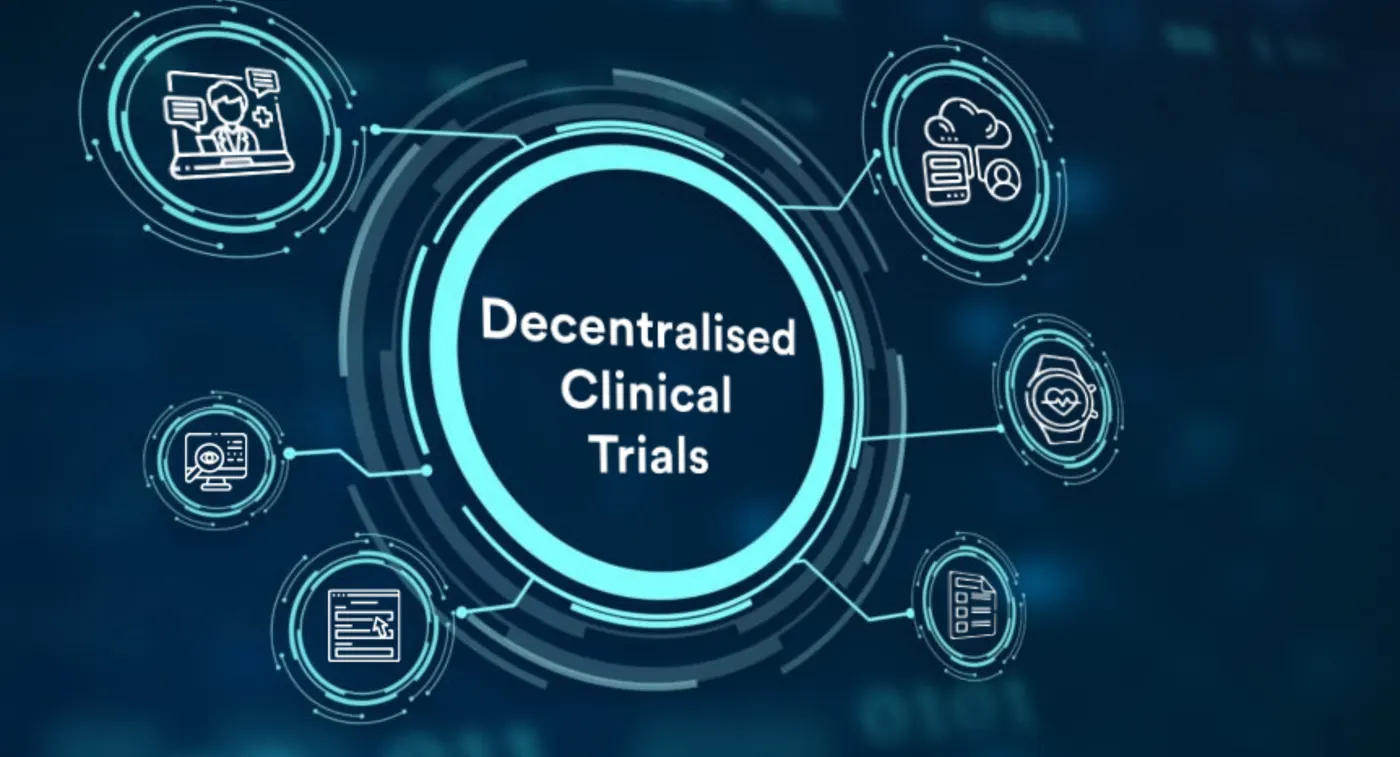
Decentralized Clinical Trials: How They Work and How Patients Can Join from Anywhere
Decentralized clinical trials (DCTs) are research studies that use digital tools, remote monitoring, telemedicine, home-based testing, and local healthcare support to reduce the need for frequent hospital visits. Instead of requiring all study activities at a central research sit
Updated 7 Jul 2026

Screening
Understanding Early Warning Signs of Common Cancers: What to Watch For and When to See a Doctor
Some symptoms may occur across different cancer types and deserve medical attention if they persist for several weeks or worsen over time. Early evaluation does not mean cancer is confirmed, but it helps doctors identify the underlying cause appropriately.
Updated 7 Jul 2026
Cancer care
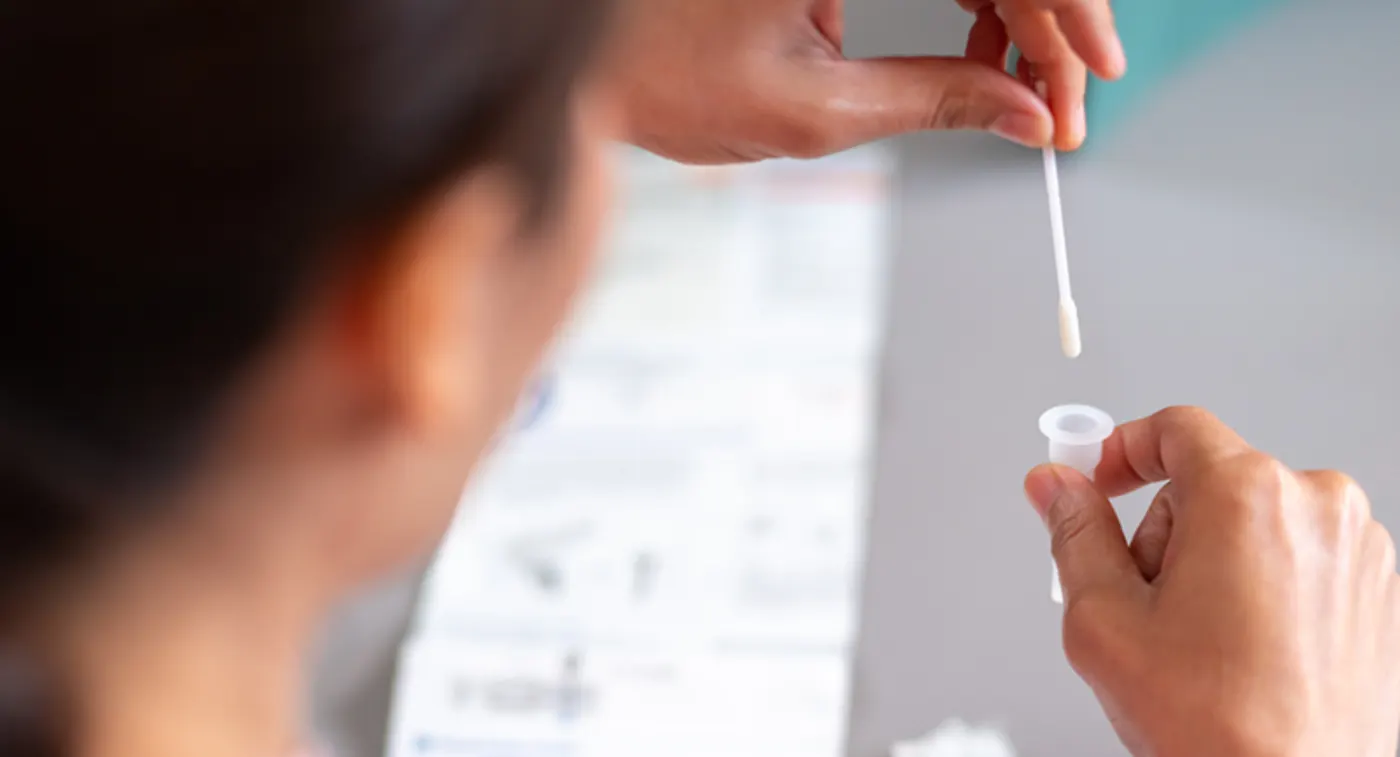
Home Sample Collection for Cancer Testing: What’s Accurate and What’s Still Experimental
Many routine blood investigations can be collected safely from home when done by trained phlebotomists and processed by accredited laboratories. These may include complete blood counts, liver and kidney function tests, electrolytes, thyroid tests, and selected tumor marker blood
Updated 7 Jul 2026

Screening
HPV and Cancer Prevention: Vaccine Benefits, Who Should Get It, and Myths vs Facts
Human Papillomavirus (HPV) is a group of viruses that can infect the skin and mucous membranes. Some high-risk strains of HPV are associated with cancers such as cervical cancer, anal cancer, throat (oropharyngeal) cancer, vaginal cancer, vulvar cancer, and penile cancer.
Updated 7 Jul 2026
Treatment
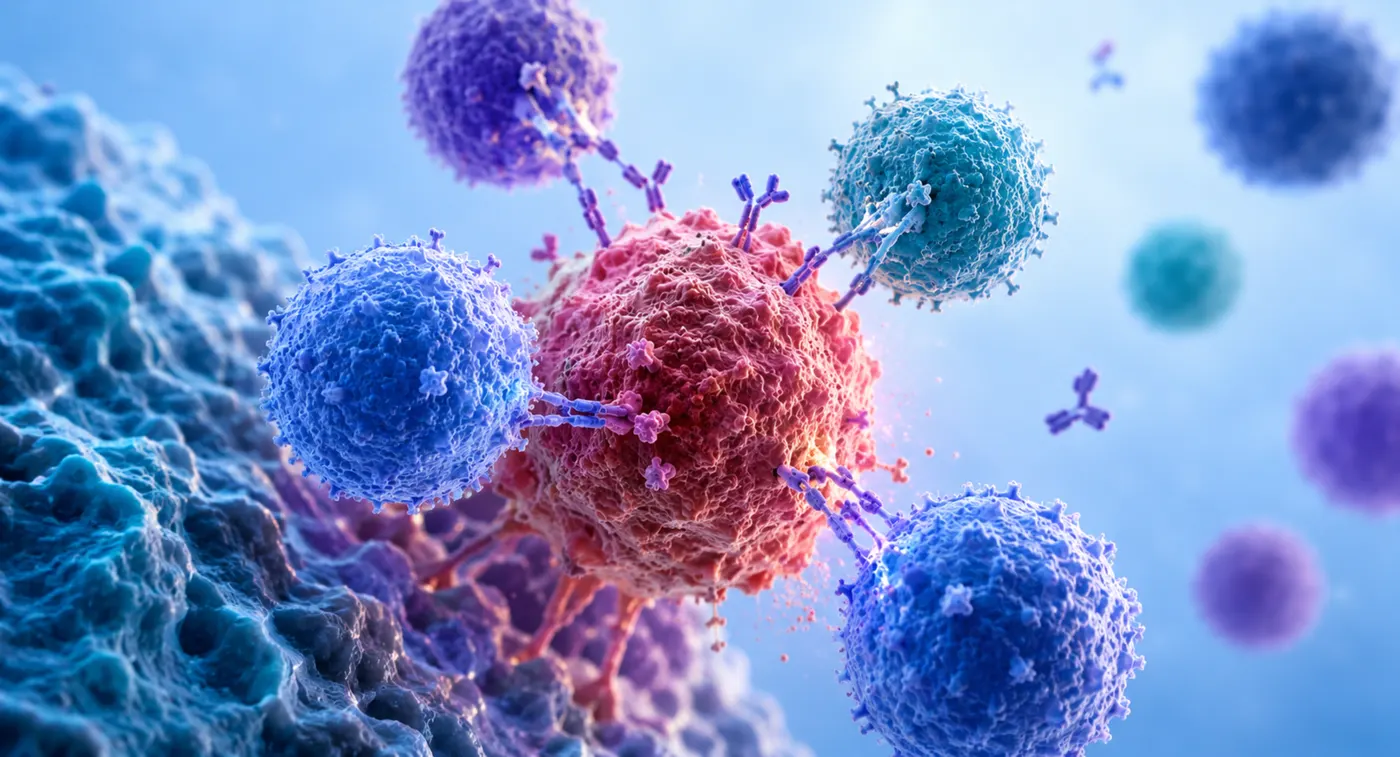
Immunotherapy Combination Strategies: Which Cancers Benefit Most and Why
Immunotherapy combination strategies involve using immune-based cancer treatments along with other therapies to strengthen anti-cancer activity. These may include immune checkpoint inhibitors combined with chemotherapy, targeted medicines, radiation therapy, or dual immunotherapy
Updated 7 Jul 2026
Cancer care
Lung Cancer Awareness for Non-Smokers: Risk Factors, Symptoms, and When to Seek Testing
While smoking is the most well-known risk factor for lung cancer, non-smokers can develop the disease due to a range of other factors. Understanding these risk factors can help non-smokers become more aware of their potential vulnerabilities.
Updated 7 Jul 2026
Treatment
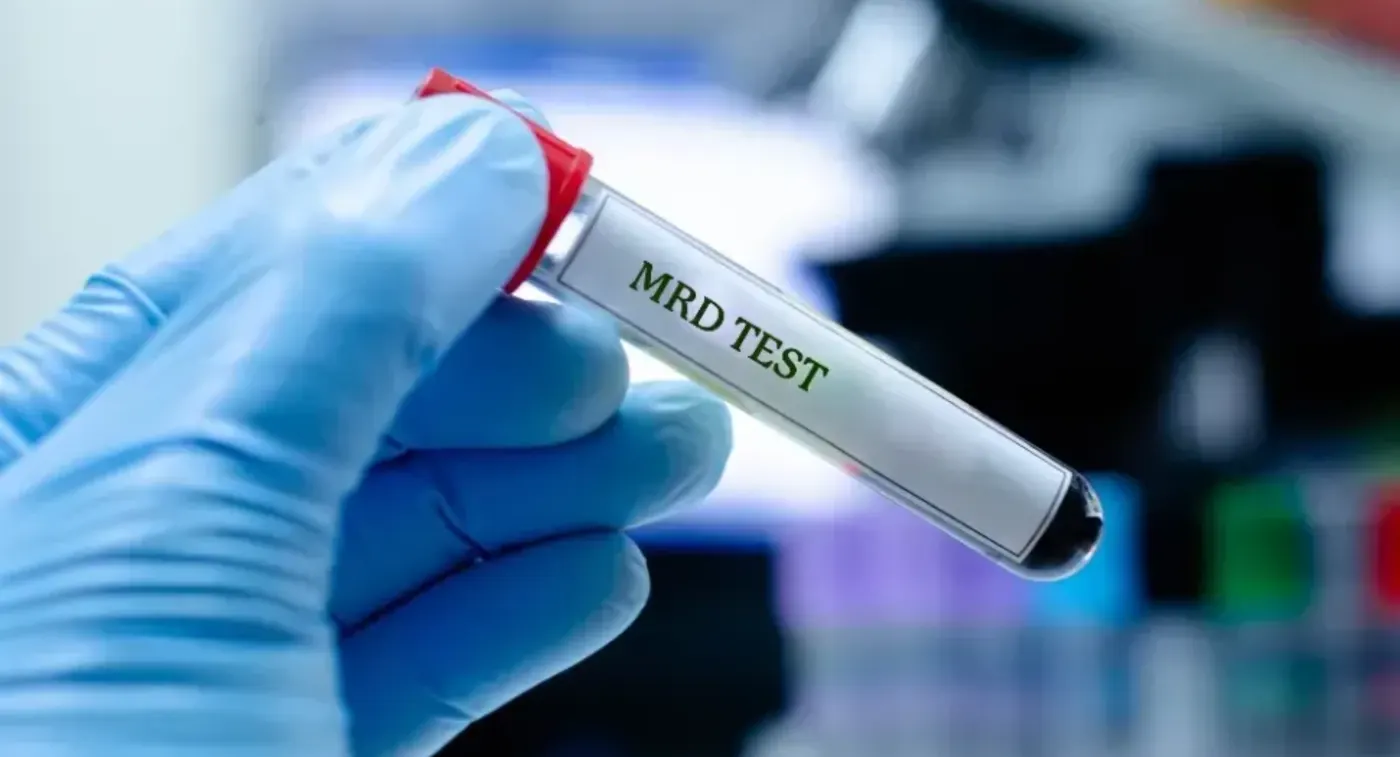
MRD Explained: How Minimal Residual Disease Testing Changes Follow-Up and Treatment Decisions
Minimal Residual Disease (MRD) refers to a very small number of cancer cells that may remain in the body after treatment, even when scans or routine tests appear normal. These residual cells may not cause symptoms immediately but can sometimes lead to recurrence later.
Updated 7 Jul 2026
Treatment
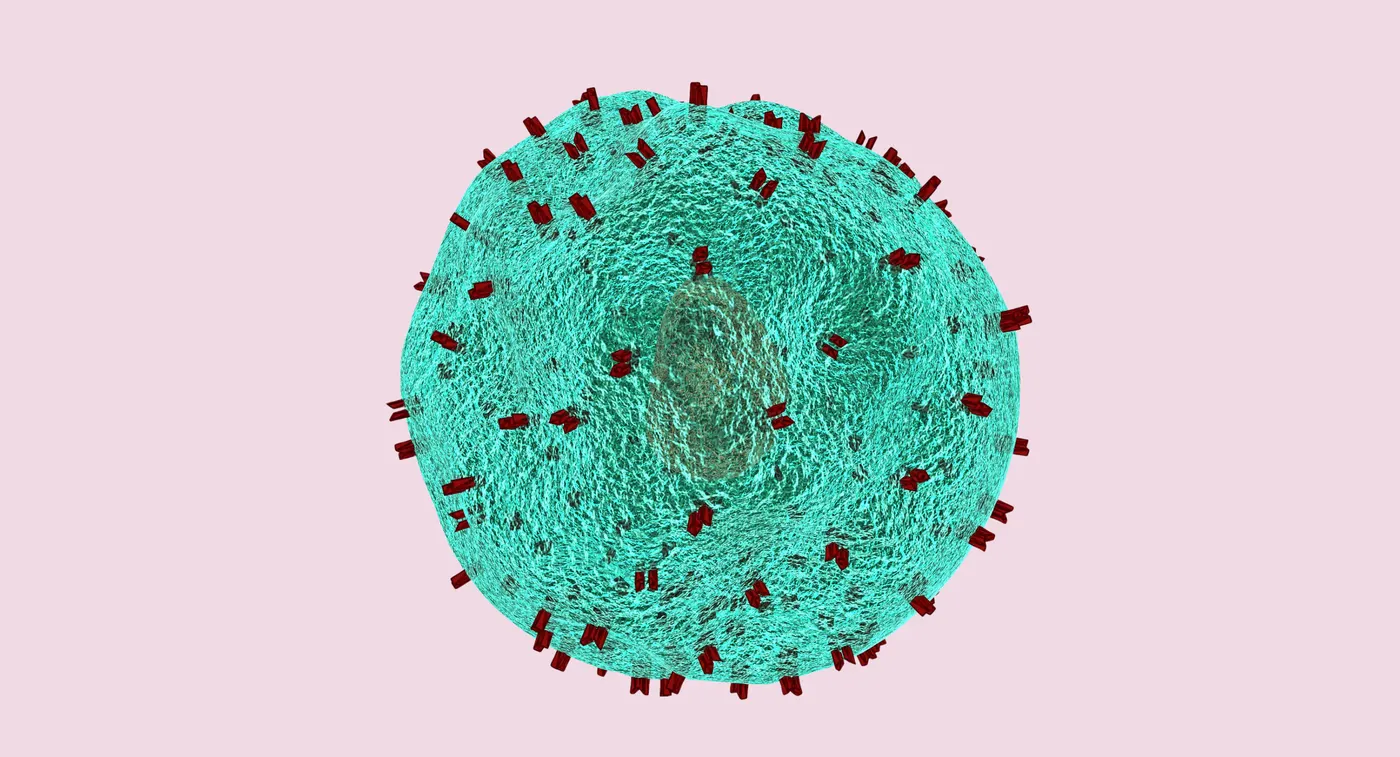
Next-Generation CAR Therapies for Solid Tumors: What Patients Should Know
CAR-T cell therapy is a form of advanced immunotherapy where a patient’s own immune cells, called T-cells, are modified in a laboratory to recognise and attack cancer cells more effectively. These engineered cells are then infused back into the patient’s body to help target cance
Updated 7 Jul 2026

Prevention
Nutrition During and After Cancer Treatment: Evidence-Based Tips to Manage Appetite, Weight, and Recovery
Good nutrition can help patients tolerate treatment side effects, maintain strength, manage weight, and reduce the risk of infections. Some cancer treatments, such as chemotherapy, radiation, and immunotherapy, may cause side effects like nausea, loss of appetite, fatigue, and ch
Updated 7 Jul 2026

Prevention
Reducing Occupational and Environmental Cancer Risks: What Workplaces and Patients Need to Know
Occupational cancer risks refer to cancers caused or influenced by exposure to harmful substances in the workplace over time. These exposures may include industrial chemicals, asbestos, diesel exhaust, solvents, heavy metals, radiation, or prolonged exposure to certain manufactur
Updated 7 Jul 2026

Living with cancer
Personalized Survivorship Plans: Templates, Timelines, and What to Ask Your Oncologist
A cancer survivorship plan is a structured medical document that outlines a patient’s diagnosis, treatments received, possible long-term effects, follow-up schedules, and future healthcare recommendations. It serves as a roadmap for ongoing care after cancer treatment is complete
Updated 7 Jul 2026

Prevention
Preventable Cancers and Lifestyle Changes: Tobacco Cessation, Alcohol, Diet, Exercise, and Weight Management
Tobacco use is one of the leading preventable causes of cancer worldwide. Smoking and smokeless tobacco products are associated with cancers of the lung, mouth, throat, esophagus, bladder, pancreas, and several other organs.
Updated 7 Jul 2026
Treatment
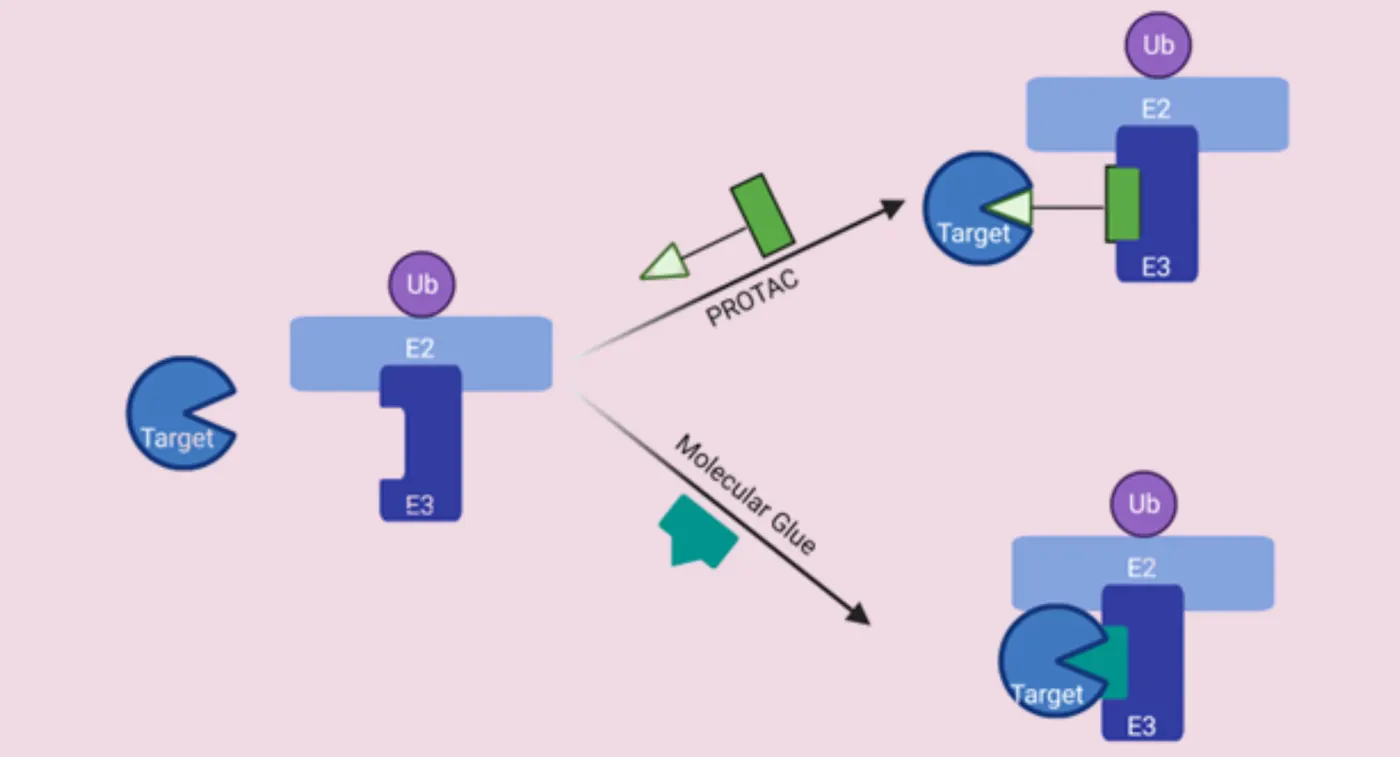
PROTACs and Molecular Glues: What “Protein Degraders” Mean for Previously Untreatable Cancers
PROTACs (Proteolysis Targeting Chimeras) are specially designed molecules that help the body identify and destroy specific proteins linked to cancer growth. Instead of only inhibiting a protein’s activity, PROTACs aim to remove the protein entirely through the cell’s natural prot
Updated 7 Jul 2026
Treatment
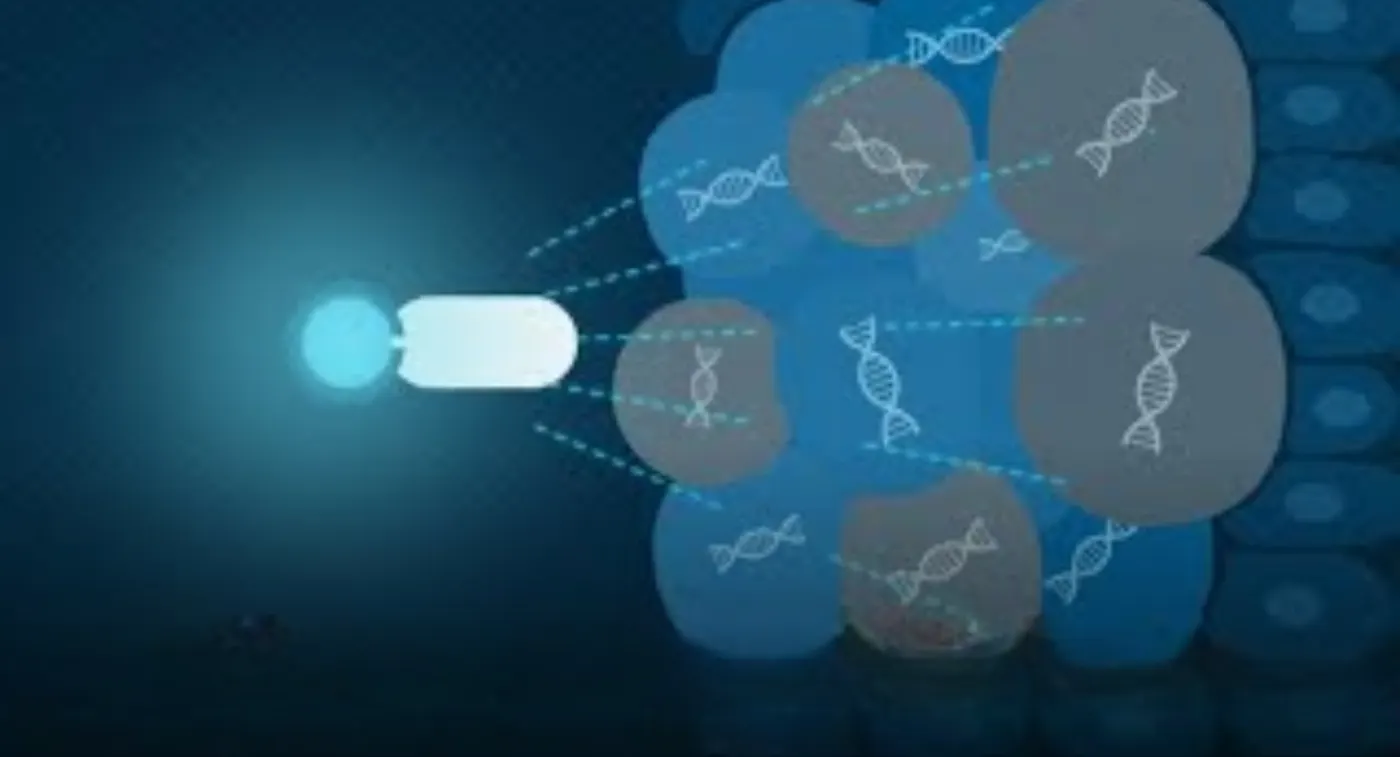
Radioligand Therapy for Prostate and Neuroendocrine Cancers: Benefits, Side Effects, and Eligibility
Radioligand Therapy (RLT) is a targeted cancer treatment that combines a radioactive substance with a molecule designed to attach specifically to cancer cells. Once attached, the radiation is delivered directly to the tumor, helping destroy cancer cells more precisely.
Updated 7 Jul 2026

Living with cancer
Return-to-Work After Cancer: Stepwise Rehabilitation Plans and Legal / Workplace Tips
Cancer treatment can affect physical strength, concentration, sleep, emotional health, and endurance. Some patients recover quickly, while others need additional time and rehabilitation support before resuming full professional responsibilities.
Updated 7 Jul 2026

Screening
Sun Safety and Skin Cancer: Practical Advice, When to See a Doctor, and Mole-Check Checklist
UV radiation from sunlight is a major environmental risk factor for skin damage. Over time, repeated exposure can cause DNA damage in skin cells, increasing the likelihood of abnormal growths or skin cancers.
Updated 7 Jul 2026

Prevention
Tobacco Harm Reduction: Counseling Tips, Pharmacotherapy Options, and Local Cessation Resources
Tobacco harm reduction refers to strategies that reduce health risks associated with tobacco use. While complete cessation is the ideal goal, harm reduction may include structured quitting plans, reducing exposure, and switching away from combustible tobacco products under medica
Updated 7 Jul 2026

Prevention
Vaccination Schedule for Cancer Patients: Timing Around Chemotherapy, Immunotherapy, and Live Vaccine Guidance
Patients receiving chemotherapy, targeted therapy, immunotherapy, radiation therapy, or stem cell transplantation may have reduced immunity and increased vulnerability to infections. Vaccinations may help lower the risk of complications from illnesses such as influenza, pneumonia
Updated 7 Jul 2026
Treatment
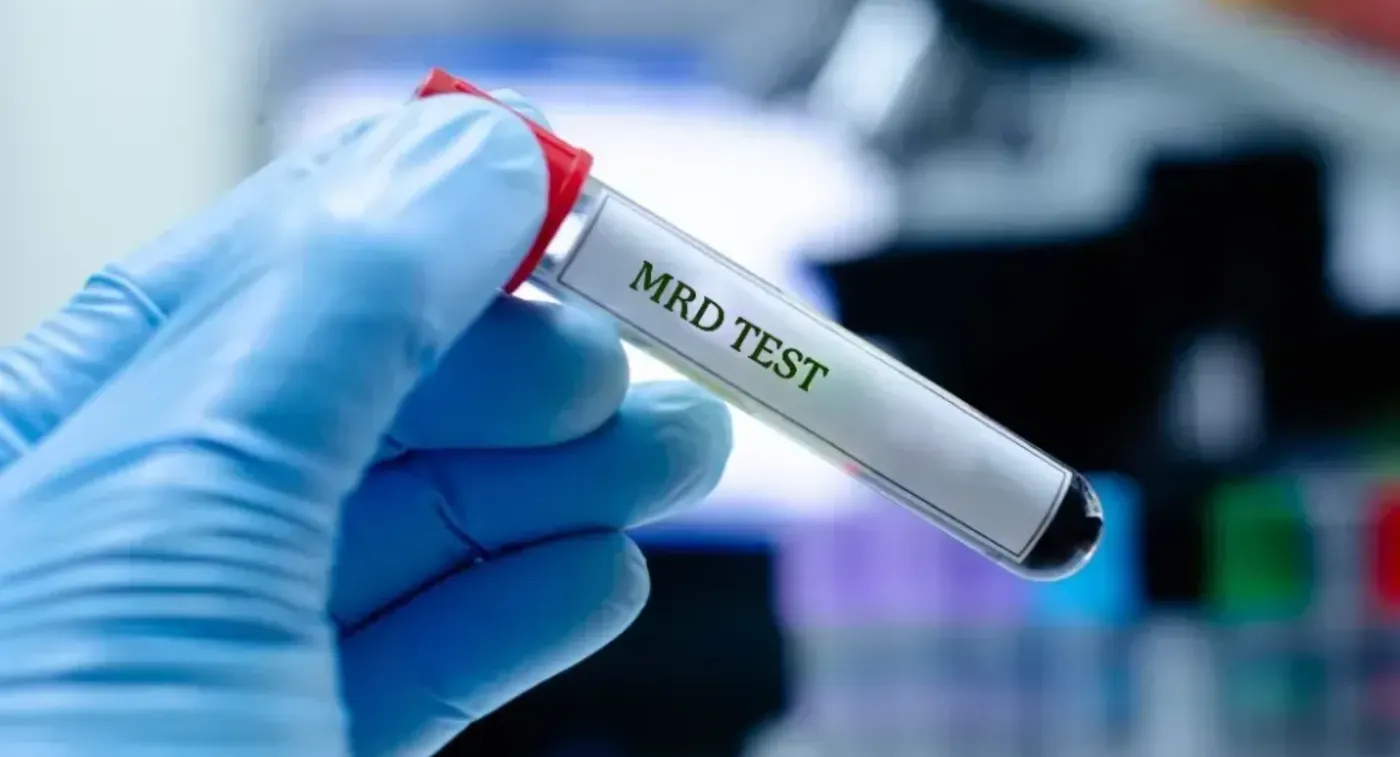
What is Liquid Biopsy (ctDNA)? A Simple Guide for Patients and Clinicians
A liquid biopsy is a blood test that detects tiny fragments of cancer-related DNA circulating in the bloodstream. These fragments are known as circulating tumor DNA (ctDNA) . Unlike traditional tissue biopsies, liquid biopsy does not require surgery or removal of tissue samples.
Updated 7 Jul 2026
Cancer care
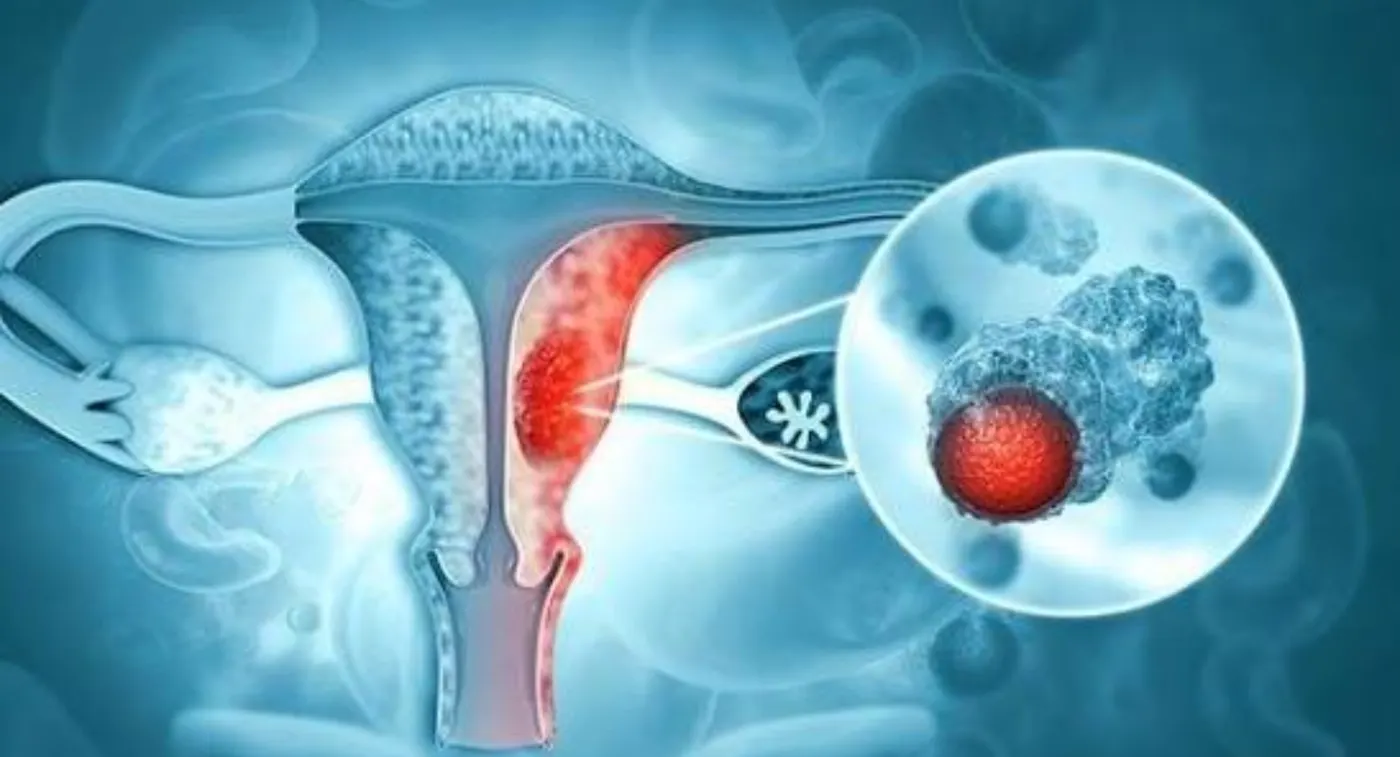
Gynecological Cancers
Gynecological cancers affect the cervix, uterus, ovaries, vulva, or vagina. They are not one disease. Cervical cancer is often linked to HPV and can be found earlier with screening. Uterine cancer often causes bleeding after menopause. Ovarian cancer is more often found after it has spread.
Updated 7 Jul 2026
Treatment
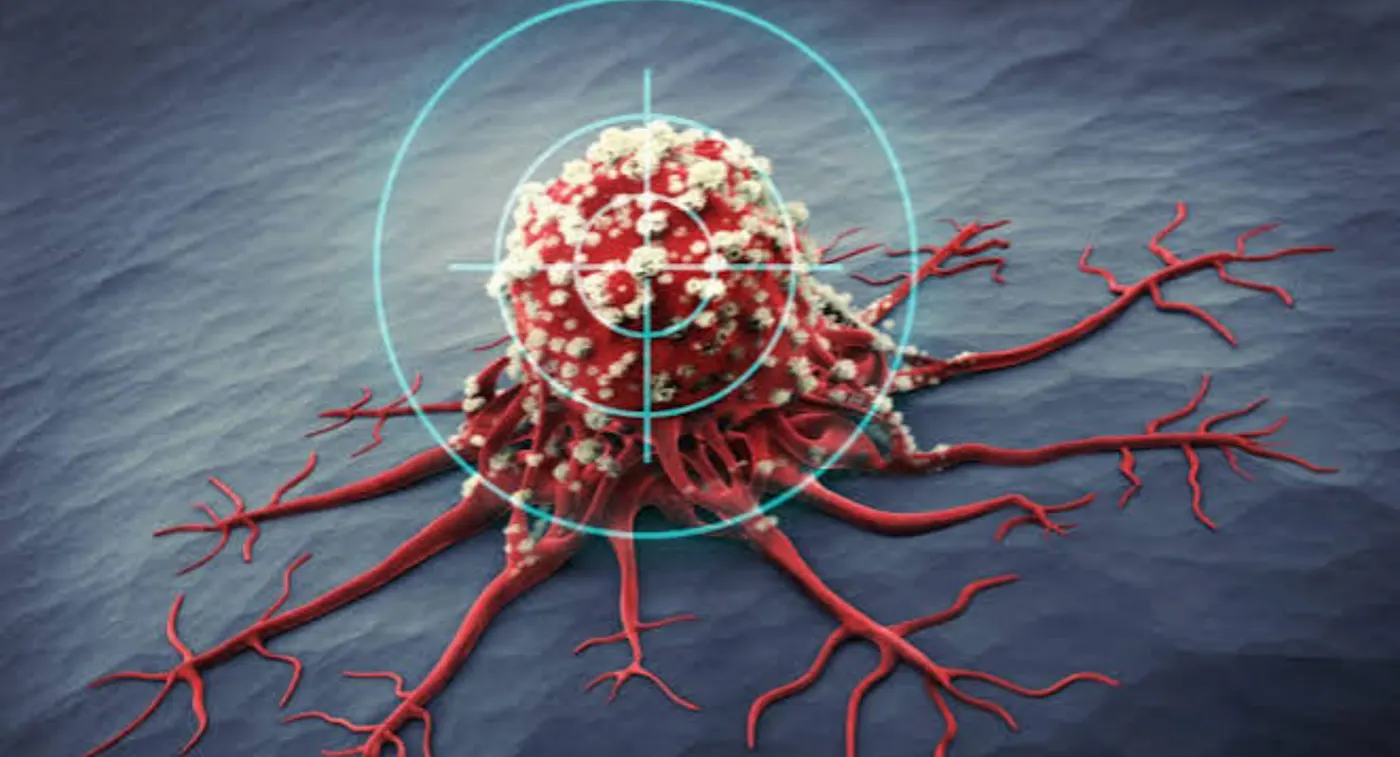
Targeted Therapy
Targeted therapy uses medicines aimed at a particular weakness in a cancer cell, such as a mutated gene or an overexpressed protein. A test usually has to show the target before the drug is considered. Finding a target does not guarantee that a medicine will work.
Updated 7 Jul 2026
Book a consultation
Discuss your reports, the options that may apply, and the next step. A message does not confirm the visit.