
Cancer care
Gynecological Cancers
Gynecological cancers affect the cervix, uterus, ovaries, vulva, or vagina. They are not one disease. Cervical cancer is often linked to HPV and can be found earlier with screening. Uterine cancer often causes bleeding after menopause. Ovarian cancer is more often found after it has spread.

Dr. Nishith VaddeboinaMedical Oncologist · Updated 7 August 2026 · 2 min read
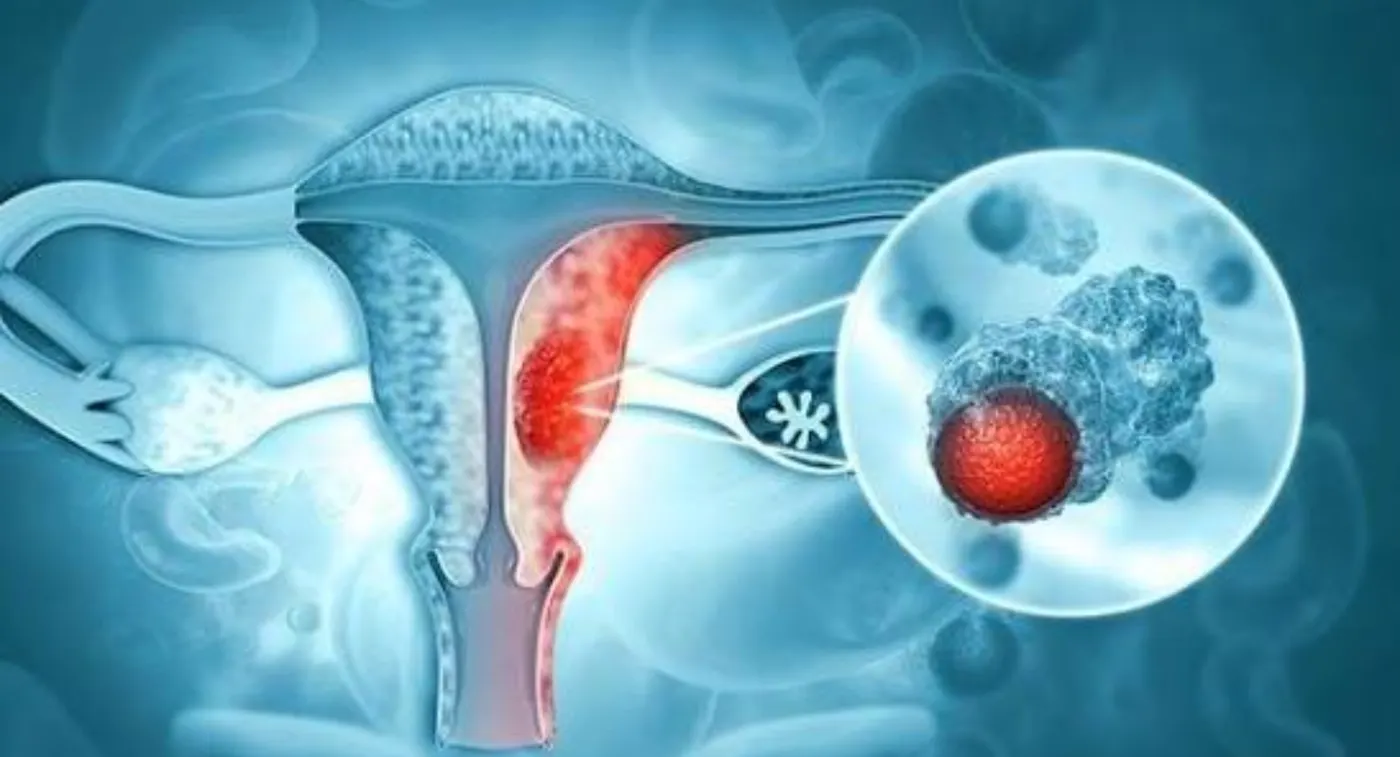
What are gynecological cancers?
Gynecological cancers start in the female reproductive organs. Cervical cancer begins in the cervix and is usually related to long-standing infection with high-risk human papillomavirus. Endometrial cancer starts in the lining of the uterus and is the more common uterine cancer. Ovarian cancer, together with cancers of the fallopian tube and peritoneum, often presents with bloating or spread in the abdomen. Vulval and vaginal cancers are less common. Breast cancer is a separate disease.
An abnormal screening test is not the same as a cancer diagnosis. A Pap smear or HPV test that is abnormal means the cells need a closer look. Cancer is confirmed on a biopsy. The organ, the type, and the stage decide whether surgery, radiation, chemotherapy, or a targeted medicine is even relevant.
Symptoms that should be checked
- Bleeding after menopause, or bleeding after intercourse
- A discharge that is new, watery, or foul
- Persistent bloating, early fullness, or pelvic pain
- A change in bladder or bowel habit that lasts more than a few weeks
These symptoms have many causes that are not cancer. The point of assessment is to tell them apart. Post-menopausal bleeding in particular should not be watched for months. CA-125 and other blood markers can support the assessment of a pelvic mass. They do not diagnose ovarian cancer on their own.
How care is planned
HPV vaccination and cervical screening prevent many cervical cancers. They do not treat a cancer that is already there. Surgery is central for many uterine and ovarian cancers. Early cervical cancer may be treated with surgery. More advanced cervical cancer is often treated with radiation and chemotherapy together. A medical oncologist plans the medicines. A surgeon and a radiation oncologist lead their own parts.
Chemotherapy is common around surgery for ovarian cancer. Targeted therapy, including a PARP inhibitor after a BRCA or related test, is discussed only in defined situations. Immunotherapy is used in selected advanced or recurrent cases, not for every gynecological cancer. Fertility-sparing treatment exists only for carefully selected early cancers and has to be discussed before treatment starts. This article is general information. It is not a personal plan.
General education only. For advice about your own reports, request a consultation. See the editorial policy.
More from the clinic
All articles


Book a consultation
Discuss your reports, the options that may apply, and the next step. A message does not confirm the visit.