
What chemotherapy is trying to do
The purpose should be said out loud before the first dose. Sometimes chemotherapy is given to cure, together with surgery or radiation. Sometimes it is given to lower the chance that cancer returns after an operation. Sometimes it is given to shrink a cancer so an operation becomes possible. And sometimes, when cure is not realistic, it is given to slow growth and ease symptoms. Those are different goals. A drug that is worth the side effects for a chance of cure may not be worth the same side effects when the aim is a few extra months of control. You are entitled to hear which goal applies.
Chemotherapy is not one drug. Regimens combine medicines chosen for a specific cancer. Breast, lung, bowel, ovary, lymphoma, and leukemia regimens are not interchangeable. The same drug name can be given on different schedules. Oral chemotherapy is still chemotherapy. Taking it at home does not make it mild, and it still needs blood tests and a plan for missed doses.
Who may be offered it
The decision depends on the cancer type, stage, markers, and a person’s other illnesses and preferences. Two people with the same diagnosis may not both be advised to have chemotherapy. Heart disease, poor kidney or liver function, low fitness, and pregnancy change what is safe. Age by itself is a weak reason to withhold treatment and a weak reason to insist on it. What matters is how the body is working and what the person wants the treatment to achieve.
A consultation looks at the pathology, the scans, and treatment already given. Prior chemotherapy matters because some drugs have lifetime dose limits, especially those that affect the heart. Bring the old records. Guessing the drug names from memory is not enough when a new plan is being built.
What a typical course looks like
Treatment is arranged in cycles. A cycle is a dose, or a few doses close together, followed by rest days that let normal cells recover. A course may last a few months. Blood tests are done before many doses. If white cells, platelets, or kidney function are too low, a dose may be delayed or reduced. That is a safety decision. It is not a sign that treatment has failed. Anti-sickness medicines are prescribed with the regimen. They reduce nausea. They do not remove every side effect.
- A schedule measured in cycles, with rest days between doses
- Blood tests before many doses, even when you feel well
- Medicines to reduce nausea, matched to how strongly the regimen causes it
- Advice on infection risk when white cells are low
- A written plan for who to call if fever occurs
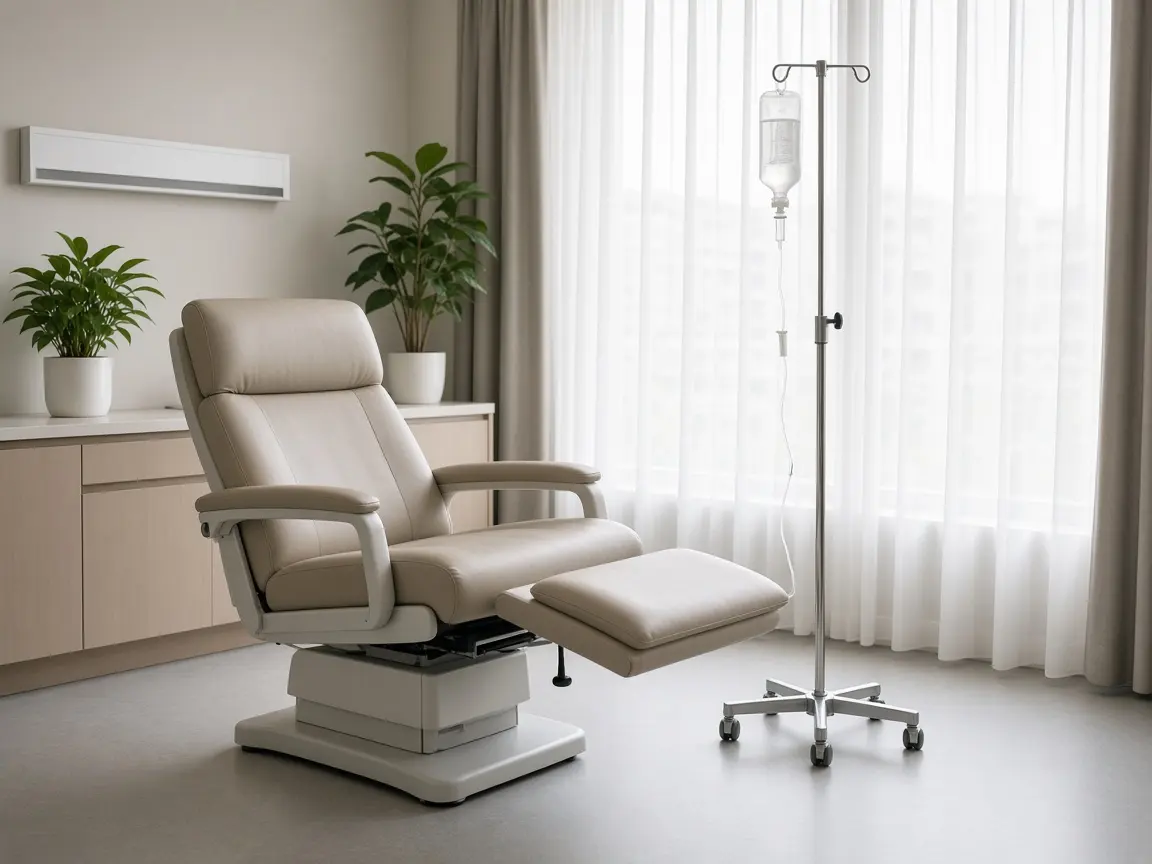
Some infusions take hours in a day-care chair. Others are short injections or tablets at home. A port or a long line is considered when veins are difficult or the regimen needs one. You can usually eat beforehand unless you are told otherwise. Ask someone to come with you the first time so the instructions are heard twice. Driving home is fine for many people and unwise if pre-medicines make you drowsy. Ask that specifically.
Side effects you should expect to discuss
Hair loss happens with some drugs and not others. Fatigue is common and often builds over the weeks. The mouth can become sore. Taste can change. Bowels may swing between constipation, from anti-sickness and pain medicines, and diarrhoea, from the chemotherapy itself. Numbness and tingling in the fingers and toes occur with particular drugs and should be reported early, because dose changes can limit lasting nerve damage. Fertility can be affected. If a future pregnancy matters, ask before the first cycle. Contraception during treatment also needs a clear plan, because these medicines can harm a pregnancy.
Infection is the side effect that most often becomes an emergency. A fever, a shaking chill, or feeling suddenly much worse during chemotherapy can mean the white cells are low. Call the number you were given the same day. Do not wait for the next clinic and do not rely only on paracetamol, which can hide the temperature. Bleeding, chest pain, severe diarrhoea, vomiting that stops you keeping fluids down, and new breathlessness also need urgent advice. Mild tiredness and a change in taste can usually wait for the scheduled visit.
How the team keeps treatment safer
Doses are calculated from height, weight, kidney function, and the regimen, then adjusted to how you tolerate them. Growth-factor injections are sometimes used to help white cells recover. They cause bone ache in some people and are not required with every regimen. Heart scans, hearing tests, or urine tests are added only for drugs that need them. Hepatitis and other infections are checked when the regimen could reactivate them. A full list of your other medicines, including herbs and supplements, is part of prescribing. Some ordinary drugs interact. Do not add a new supplement quietly.
Work is possible for some people, with lighter days around the infusion. Others need time away when counts are low or fatigue is heavy. Tell the clinic what your job involves, including infection exposure, shift work, and travel. Food safety matters more when counts are low: avoid food that is spoiled or left warm, and ask before taking probiotics. Exercise that you can sustain often helps fatigue more than total rest. None of this treats the cancer. It helps you get through the treatment that does.
What chemotherapy does not mean
It is not a guarantee of cure. Response is judged with scans and, for some cancers, blood markers or a repeat biopsy. Shrinking is a good sign. It is not the same as the cancer being gone. Growing through treatment is a reason to stop that regimen and rethink, not a reason to push the dose without a plan. Refusing chemotherapy is also a legitimate choice when you understand the trade-off. The consultation should describe what is likely to happen with treatment and without it, in honest ranges, not in promises.
Alternative products marketed as chemotherapy substitutes are not a safe replacement. Delaying a proven regimen for an unproven one can close the window in which treatment would have helped. If you are considering something else, say so. The clinic would rather know than discover it after a dangerous interaction or a lost month.
Questions worth asking before the first cycle
Ask what the course is trying to achieve, how many cycles are planned, which side effects are expected with this regimen, and what should make you call the same day. Ask about work, fertility, and vaccines before you start. Ask what happens if a blood test delays a dose. Those answers are part of consent. A clear plan is easier to follow than a conversation half-remembered on the way home.
What a consultation usually covers
A visit about chemotherapy is used to read the records you already have, explain them in plain language, and outline options that may apply. Bring the biopsy or pathology report, scan CDs or reports, blood tests, and a list of treatment already given, including dates and drug names if you have them. A family member can come with you. The visit is not an emergency assessment, and it does not confirm a plan until the records have been reviewed.
Dr. Nishith Vaddeboina is a medical oncologist. Appointments published on this website are at American Oncology Institute, Nallagandla, Hyderabad. The biography also lists consultant work at Renova Century Hospitals. Confirm the hospital when you book. Plans are discussed against recognised guidance, including NCCN, ESMO, and ASCO, and then adjusted to the person in the room. Nothing on this page replaces that conversation.
When to seek medical advice
Fever, bleeding, chest pain, severe vomiting or diarrhoea, or breathlessness during chemotherapy need urgent care. Questions about hair loss, work, or a mild side effect can usually wait for the clinic number during working hours. If you are seriously unwell and cannot reach the team, use emergency services.
Questions about this topic
Will I be able to work during chemotherapy?
Some people continue modified work. Others need time away around infusion days or when counts are low. It depends on the regimen and the job. Discuss it before treatment starts, including whether your workplace needs a letter, rather than assuming either way.
Does chemotherapy always cause hair loss?
No. Some drugs almost always do, and others rarely do. Ask about the specific regimen. Scalp cooling helps some people with some drugs and is not available or useful for every treatment. Hair usually regrows after the course. That is a side effect, not a measure of whether the drug is working.
If my scan improves, can the course stop early?
Sometimes the plan already has a fixed number of cycles, and finishing them matters. Sometimes a good response changes what happens next, especially before surgery. Stopping because you feel better, without that being the plan, can leave the treatment incomplete. Ask before you skip a cycle.
Are tablets gentler than an infusion?
Not necessarily. Oral chemotherapy can cause the same serious effects, including low counts and diarrhoea, and it is easier to underestimate because it happens at home. It still needs monitoring, a missed-dose plan, and a number to call.